How Many Hours of Wedding Photography Coverage Do You Actually Need?
One of the most common questions couples ask when comparing photography packages is simple: how many hours do we actually need? Book too few, and you risk missing key moments. Book too many, and you may be paying for coverage you don't use. Here's a practical way to think it through — with sample timelines you can borrow for your own day.
Start With Your Timeline, Not the Clock
Rather than picking a number of hours first, map out your actual day: getting ready, first look (if you're doing one), ceremony, family formals, cocktail hour, reception, and send-off. The Knot's wedding timeline template is a solid starting point if you want a structured way to sketch this out before committing to a coverage length. Add up roughly how long each portion realistically takes, plus travel time between locations if your ceremony and reception are in different places. That total is your real coverage need — not a guess.
A few questions help you fill in the timeline:
Do you want photos of both of you getting ready, and are you in the same place or different locations?
Are you doing a first look, or will you see each other for the first time at the ceremony?
How many family groupings do you want photographed?
Do you want the photographer to stay through open dancing and the send-off, or leave after the key reception moments?
How Long Each Part of the Day Takes
Getting ready and details: 1–2 hours. This covers hair and makeup, the dress, rings, and the quiet moments before the ceremony.
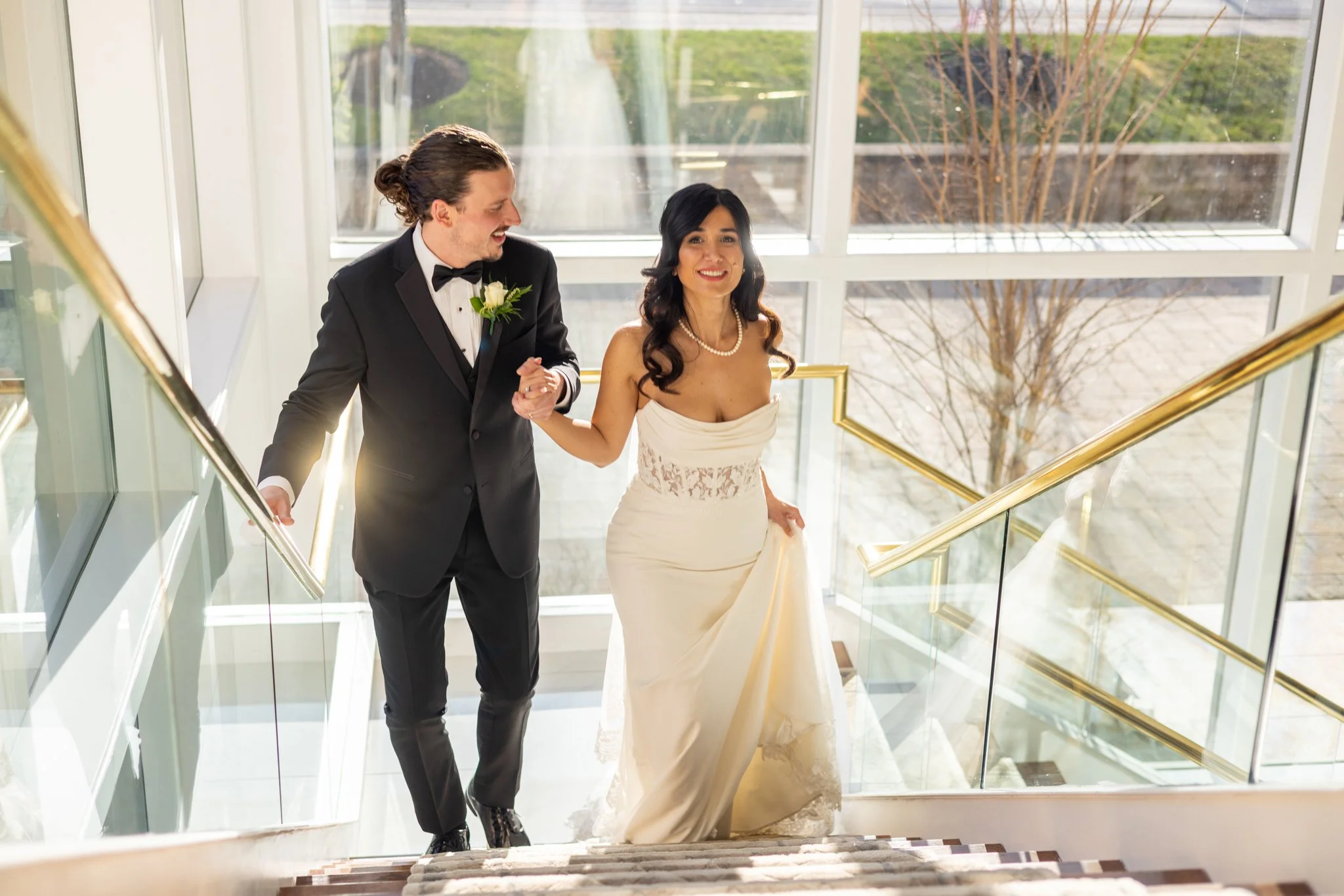
First look and couple portraits: 30–60 minutes if done before the ceremony.
Ceremony: 20–60 minutes, depending on your traditions.
Family formals and wedding party: 30–45 minutes with a clear shot list.
Cocktail hour: about 1 hour — often when couple portraits happen if you skip the first look.
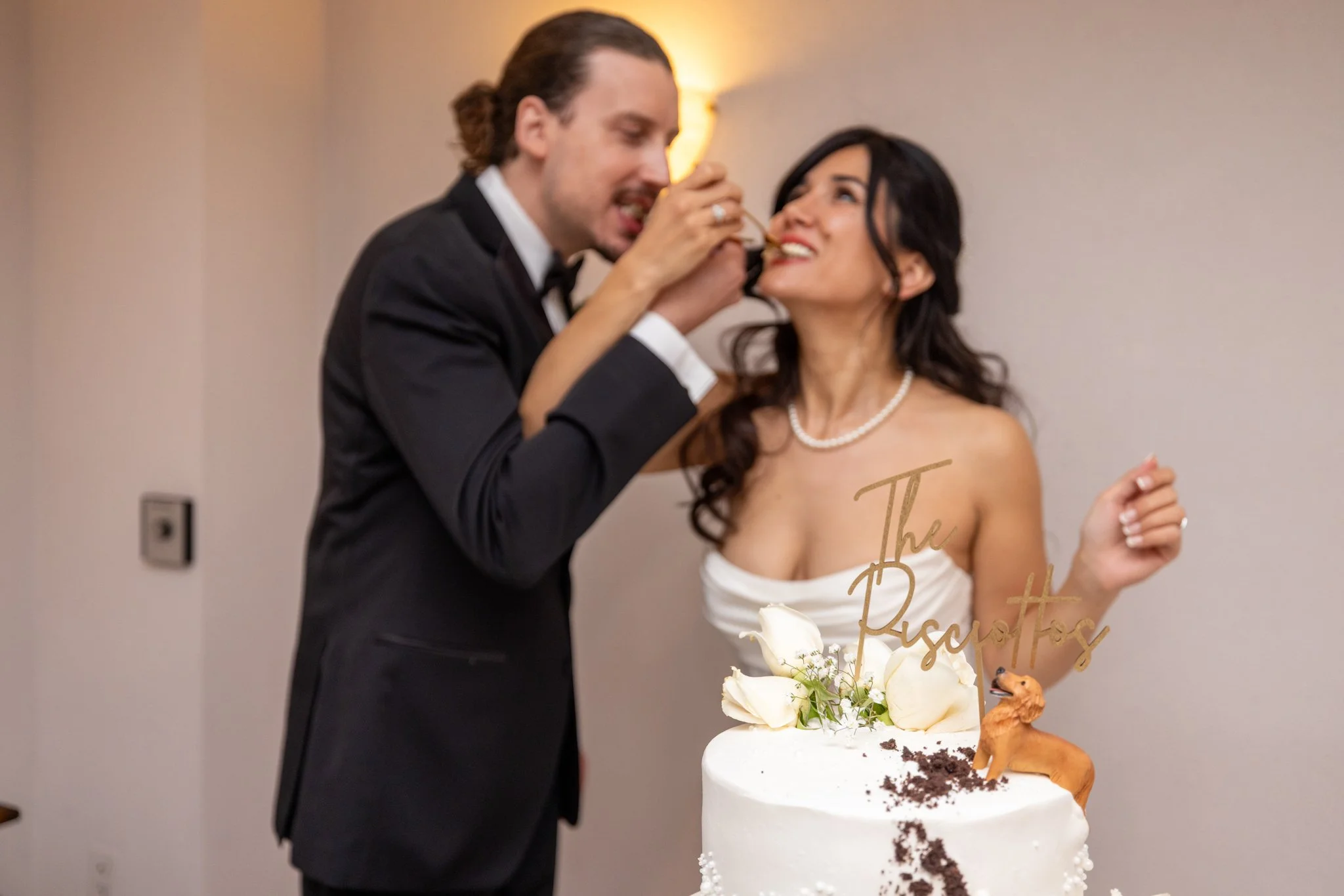
Reception: 3–4 hours, including entrances, toasts, first dances, cake cutting, and open dancing.
Travel between locations: 15–45 minutes each way, depending on distance and traffic.
General Guidelines by Wedding Size
Smaller, single-location weddings (under 100 guests): 8 hours of coverage is often enough to capture getting ready through the early reception, especially if ceremony and reception are in the same place.
Mid-sized weddings (100–150 guests) or multi-location days: 10 hours gives you breathing room for travel between a ceremony and reception venue, plus a fuller reception window including dancing.
Larger weddings, destination weddings, or multi-day celebrations: 12+ hours (or multi-day coverage) ensures nothing meaningful gets cut short, especially for longer receptions or events with multiple traditions and ceremonies.
Sample Wedding Day Timelines
8 Hours: Single-Location Wedding
1:00 PM — Getting ready and details
3:00 PM — First look and couple portraits
4:00 PM — Ceremony
4:30 PM — Family formals and wedding party
5:15 PM — Cocktail hour
6:15 PM — Reception: entrances, first dance, toasts, dinner
8:00 PM — Cake cutting and early dancing
9:00 PM — Coverage ends
10 Hours: Ceremony and Reception at Different Venues
12:00 PM — Getting ready (two locations with a second shooter)
2:00 PM — First look and portraits
3:00 PM — Travel to ceremony
3:30 PM — Ceremony and family formals
4:45 PM — Travel to reception venue
5:30 PM — Cocktail hour
6:30 PM — Reception, toasts, and first dances
8:00 PM — Sunset portraits and open dancing
10:00 PM — Coverage ends
12+ Hours: Large or Multi-Tradition Wedding
Longer days usually include extended getting-ready coverage, a longer ceremony or multiple ceremonies, larger family formals, and a full reception through the send-off. For these weddings, a two-photographer team keeps every part of the day covered without rushing.
11:00 AM — Getting ready at two locations
1:30 PM — First look, wedding party, and family portraits
3:00 PM — Ceremony (or first of two ceremonies)
4:30 PM — Travel and cocktail hour
6:00 PM — Grand entrance, toasts, and dinner
7:30 PM — Cultural traditions, first dances, and golden-hour portraits
9:00 PM — Open dancing
11:00 PM — Send-off and coverage ends
When a Second Photographer Is Worth It
Hours and team size work together. A single photographer can only be in one place at a time, so on busy days a second shooter often matters as much as extra hours. A second photographer is especially helpful when:
You and your partner are getting ready in different locations
You have more than about 125 guests
You want candid guest reactions during the ceremony and toasts
Your family formals list is long and the timeline is tight
That's why our Silver collection includes two photographers even at 8 hours, and our Diamond collection pairs two photographers with two videographers.
Cultural and Multi-Tradition Weddings
Many weddings include traditions that add meaningful time to the day — a tea ceremony, a baraat, a hora, a money dance, or back-to-back ceremonies for two faiths or cultures. These moments are often the ones families treasure most, so build them into your timeline from the start and make sure your photographer knows when they happen. Weddings with multiple traditions usually need 10–12+ hours, and sometimes coverage across more than one day.
Do Photo and Video Need the Same Hours?
In most cases, yes. Your videographer is capturing the same story — vows, toasts, first dances — so it makes sense for both to arrive and leave together. Our Gold and Diamond collections include photo and video on the same schedule, so you don't have to coordinate two separate vendors or worry about one team leaving early.
Ways to Get More From Fewer Hours
Do a first look. Getting portraits done before the ceremony frees up cocktail hour and can shorten your total day.
Keep the family shot list focused. Every extra grouping adds a few minutes.
Get ready close to the ceremony. Less travel means more time photographing moments instead of driving.
Front-load the reception. Schedule toasts, first dances, and cake cutting early, so they're covered even if your photographer leaves before the last song.
Common Coverage Mistakes to Avoid
Forgetting travel time. Twenty minutes between venues can quietly eat an hour of coverage once you add loading up and parking.
Starting coverage too late. Arriving just before the ceremony means missing the getting-ready moments many couples love most.
Ignoring sunset. If your coverage ends before golden hour, you lose the best light of the day for portraits.
Assuming the timeline will run on time. Weddings almost always run a little late. Build in a 15–30 minute buffer so nothing important is squeezed out.
What Extra Hours Actually Buy You
More coverage hours aren't just "more photos" — they typically mean:
Coverage of quieter, in-between moments (getting ready, family arriving) that get skipped with tighter timelines
A second photographer becomes more valuable on longer days, since one person can't be everywhere at once
More flexibility if your timeline runs long, which weddings often do
Those in-between moments are the heart of our documentary style wedding photography, which is why many couples find extra time worth it. If you're considering video as well, read why videography is important for weddings.
How David Pierre Studio's Packages Are Structured
Our three core collections are built around exactly this kind of timeline planning:
Silver — $2,500: 8 hours of coverage with 2 photographers, ideal for single-location weddings with a straightforward timeline
Gold — $5,000: 10 hours of coverage plus videography, suited for weddings with more moving parts or multiple venues
Diamond — $7,000: 12+ hours with a full two-photographer, two-videographer team, built for larger or more elaborate celebrations
If you're not sure which tier fits your day, send us your timeline and we'll help you figure out the right amount of coverage — no upselling, just an honest read on what your specific wedding actually needs. For everything included in each collection, see our wedding photographer cost in Philadelphia guide.
Send us your timeline → Contact
Frequently Asked Questions
What happens if our wedding runs longer than our booked coverage?
This varies by photographer, but most (including us) offer additional hourly coverage if your day runs over — it's worth confirming this before booking so there are no surprises.
Do getting-ready photos count against our coverage hours?
Yes, coverage typically starts whenever your photographer arrives, which is often during getting-ready. Factor this into your start time when planning your timeline.
Is 8 hours really enough for a full wedding day?
For many weddings, yes — especially single-location events with an efficient timeline. It becomes tighter if you have a first look, multiple venues, or want extensive family formals.
Should our engagement session or rehearsal dinner count toward our hours?
Usually not. Engagement sessions and rehearsal dinners happen on different days, so they're typically booked separately from your wedding-day coverage. If you'd like either one photographed, mention it when you reach out so we can plan it alongside your wedding timeline.
What if we're still not sure how many hours to book?
That's completely normal, especially early in planning. Start with a rough outline of your day — even just ceremony and reception times — and send it our way. We'll walk through it with you and recommend the coverage that fits, so you're not guessing.
Do we need our photographer for the whole reception?
Not always. Once the main moments — entrances, toasts, first dances, and cake cutting — are covered and dancing is underway, many couples are happy to end coverage. If you want the send-off or late-night fun, plan for the extra time.
Can we add more hours after booking?
Ask your photographer about their policy. With David Pierre Studio, just reach out as your timeline comes together, and we'll let you know what we can add for your date.
Does the venue affect how many hours we need?
It can. Multiple locations, long travel times, or a large property with several portrait spots all add time. See our guide to the best wedding venues in NY, NJ & PA for venue-specific tips.