What to Expect When Hiring a Corporate Event Photographer
Corporate photography is a different discipline than wedding or portrait work — the goals are different, the pace is different, and the final images need to serve your brand, not just document a moment. If you've never hired a corporate event photographer before, here's what the process typically looks like, from the first conversation to the final gallery.

Why Professional Event Photography Is Worth It
Your company puts real time and money into its events. Professional photos are what let that investment keep working after the day ends. Strong images fill your social channels for weeks, give your sales and recruiting teams authentic content, make press releases more likely to be picked up, and help promote next year's event. Phone photos from staff rarely hold up on a website banner or in a printed report, and they almost never capture the speakers, the crowd, and the brand details in one consistent look. A dedicated photographer frees your team to run the event while someone focused entirely on the visuals makes sure nothing important is missed.
It Starts With Understanding Your Goals
A good corporate photographer starts by asking what the images are actually for — internal culture content, social media, a recap video, press materials, or all of the above. This shapes everything from shot selection to turnaround time. At David Pierre Studio, this conversation happens before the event, not during it, so we know exactly what to prioritize on the day.
A few questions worth answering before you book:
Who is the audience for these photos — employees, customers, investors, or the press?
Which moments are must-haves: keynotes, awards, executive portraits, sponsor activations?
Where will the images be used, and in what formats (website, LinkedIn, print, slides)?
How quickly do you need the first images after the event?
Before the Event: Planning and Logistics
The smoothest corporate shoots are planned in advance. Expect your photographer to ask for:
The run of show or agenda, so they know when speakers go on, when awards happen, and when the room will be busiest.
A shot list, including key executives, speakers, sponsors, and VIP guests who must be photographed.
An on-site point of contact who can point out important people and handle quick decisions during the event.
Venue details such as load-in times, credentials or badges, parking, and any areas that are off-limits.
Brand guidelines, if you have them, so the images match the look of your marketing.
Sharing this information early means the photographer can spend the event capturing moments instead of asking questions.
What Gets Covered
Depending on your event type, coverage typically includes:
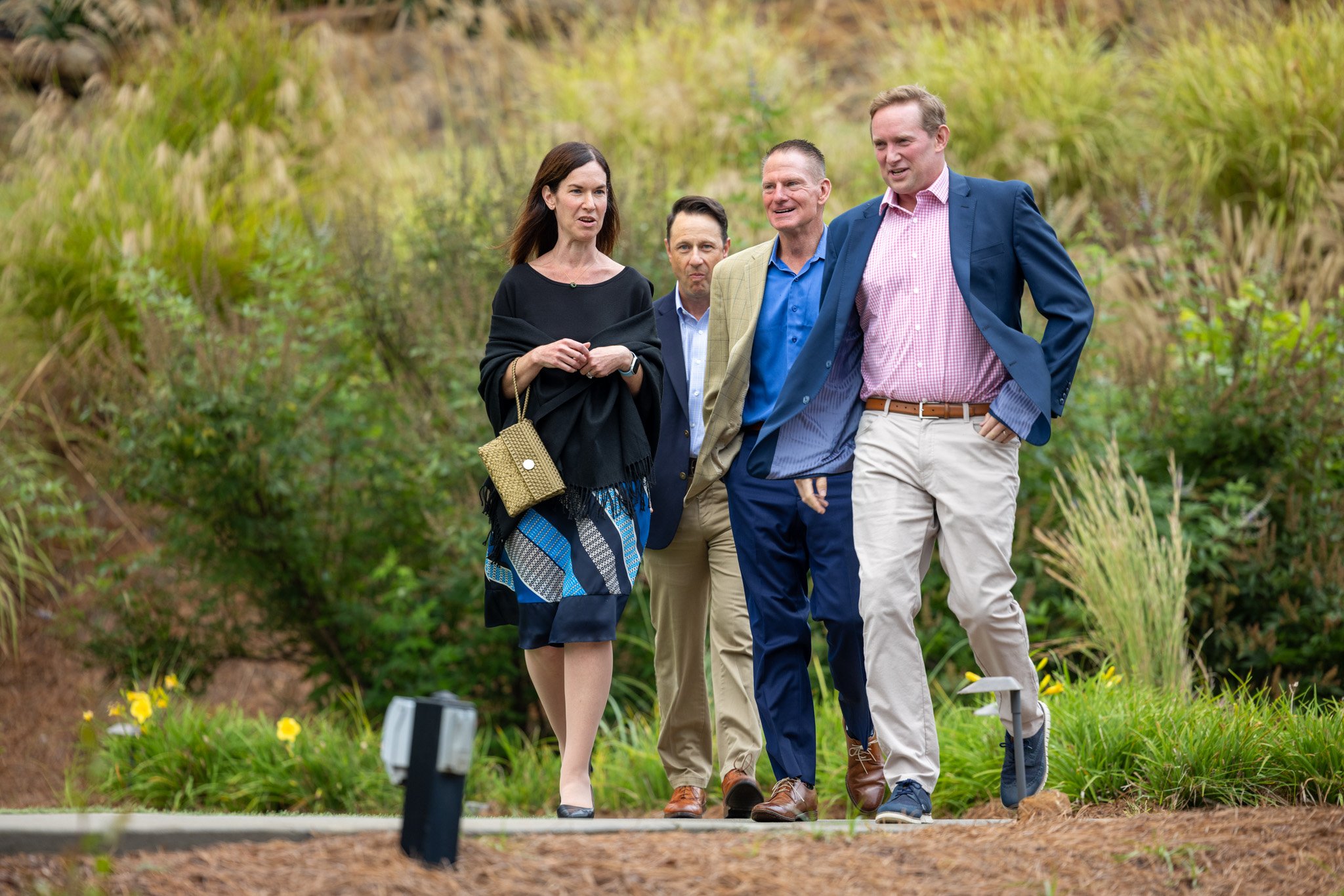
Candid, documentary-style shots — genuine interactions, not just posed group photos
Keynote and speaker moments — clean, usable shots for press or internal recap
Branding details — signage, step-and-repeats, product displays, anything tied to your brand identity
Networking and social moments — the energy of the room, not just the formal agenda
Group and team photos — organized quickly so they don't slow down the schedule
We've documented everything from executive training programs to product launches, always adjusting our approach to match the event's tone — a leadership graduation ceremony calls for a different visual style than a product activation event.
Types of Corporate Events We Photograph
Conferences, summits, and company offsites
Leadership programs, trainings, and graduations
Product launches and brand activations
Award ceremonies, galas, and holiday parties
Grand openings and expansion events
Trade shows and sponsor booths
What to Expect on the Day
A professional corporate photographer blends in. Expect them to arrive early to check the lighting and layout, dress to match the event, and move quietly around the room so they never distract from speakers or guests. They'll coordinate with your AV team so they aren't blocking cameras or screens, and they'll check in with your point of contact between sessions to make sure every priority on the shot list is covered.
Many companies also use the event to update team photos. If you'd like an on-site headshot station for employees or speakers, ask about it when you book so the time and space can be planned into the day.
Photo and Video Together
If you need a recap video, social clips, or speaker footage, booking photography and videography from the same studio keeps the look consistent and the logistics simple — one point of contact, one plan, and one team that already knows how to work around each other. Read more in our guide on who needs corporate videography.
Turnaround Time Matters
Corporate clients often need images faster than personal clients — for same-week social posts, press releases, or internal newsletters. Ask any photographer you're considering what their typical turnaround looks like, and get it in writing if timing is critical to your event. Social Tables' guide on hiring event videographers covers similar vetting questions worth asking before you commit.
For urgent needs like same-day event recaps or press coverage, ask upfront whether a quick preview gallery is available before the full edit is complete — many photographers can deliver a small batch of hero images within 24 hours even if the complete set takes longer. Confirming this in advance means your marketing or comms team isn't left waiting when timing really matters.
After the Event: Delivery
Once the event wraps, the photographer culls the images, edits them for consistent color and lighting, and delivers them in an online gallery. Ask how the gallery will be organized — by session, speaker, or day — and whether you'll receive both high-resolution files for print and web-sized versions ready for social media and your website. Well-organized delivery saves your team hours when they're pulling images for recaps, newsletters, and next year's promotional materials.
Tips to Get the Best Event Photos
Light the stage well. Dim stages with bright screens behind speakers are hard to photograph. A little extra front lighting makes a big difference.
Keep backdrops clean. Clear clutter from behind podiums and step-and-repeats so logos and faces stand out.
Schedule group photos. Build a few minutes into the agenda instead of trying to gather people during breaks.
Brief your speakers. Let them know a photographer will be moving around so they aren't surprised on stage.
Share the VIP list. Make sure the photographer can recognize executives, sponsors, and special guests.
How to Choose the Right Corporate Event Photographer
Look for a photographer with a portfolio of real corporate work, not just weddings or portraits. Ask how they handle low light, fast-moving agendas, and large venues, and whether they bring backup equipment. Check whether they carry liability insurance, since many venues require it, and ask for references from past corporate clients. For a full list of what to ask, see our guide on how to choose a corporate event photographer.
Usage Rights and Licensing
Before the event, make sure you understand how you're allowed to use the photos. Internal use, social media, paid advertising, and press distribution can all be treated differently. A clear agreement up front protects both you and the photographer and avoids surprises when your marketing team wants to use an image in a campaign months later.
What Affects the Cost
Corporate photography pricing usually depends on a few factors: the number of hours of coverage, whether you need one photographer or a team, add-ons like videography or headshots, how quickly you need the images, and how the images will be used. The best way to get an accurate number is to share your agenda and goals so the quote matches your actual event.
Real Experience Across Industries
We've had the opportunity to work with a range of organizations, including Johnson & Johnson's Global Operations Leadership Development Program graduation, LogRocket's global team summit, Invisalign's dental education event, and Just Salad's national expansion coverage — each with a different tone, audience, and end use for the final images.
See our recent corporate work → Corporate Galleries
Frequently Asked Questions
How far in advance should we book a corporate photographer?
For planned events like conferences or graduations, 4–8 weeks of notice is ideal, though we can often accommodate shorter timelines depending on availability.
Can you provide both photography and video for the same event?
Yes — we offer both, and having a coordinated photo and video team at the same event often produces more cohesive content across both formats.
Do you offer licensing for commercial or marketing use?
Usage terms vary by package and intended use — this is something we clarify with every corporate client before the event so there's no ambiguity about how images can be used.
Do you travel for corporate events?
Yes. We cover corporate events throughout Pennsylvania, New Jersey, and New York, and we travel for events further away.
What do you need from us before the event?
An agenda or run of show, a list of key people to photograph, an on-site contact, and any brand or usage requirements. The more we know ahead of time, the more focused the coverage will be.
Can you cover multi-day conferences?
Yes. For multi-day events, we plan coverage day by day around your agenda, so the most important sessions, speakers, and evening events are covered without paying for hours you don't need. Share the full schedule and we'll recommend the right mix of coverage for each day.
How many photos will we receive?
It depends on the length and type of event. A half-day conference and a multi-day summit produce very different galleries. We'll give you a realistic idea of what to expect once we see your agenda.
How do we get a quote?
Send your event date, location, agenda, and goals through our corporate contact form, and we'll put together coverage options that fit your event.