Who Needs Corporate Videography?
Corporate videography isn't just for massive Fortune 500 conferences. It's for any organization that wants its best moments — the ones that happened once, in one room, for a few hours — to actually last. Here's a practical look at who benefits most, what kinds of video they need, and how to plan a shoot that pays off long after the event ends.
Companies Hosting Conferences, Summits, or Trade Events
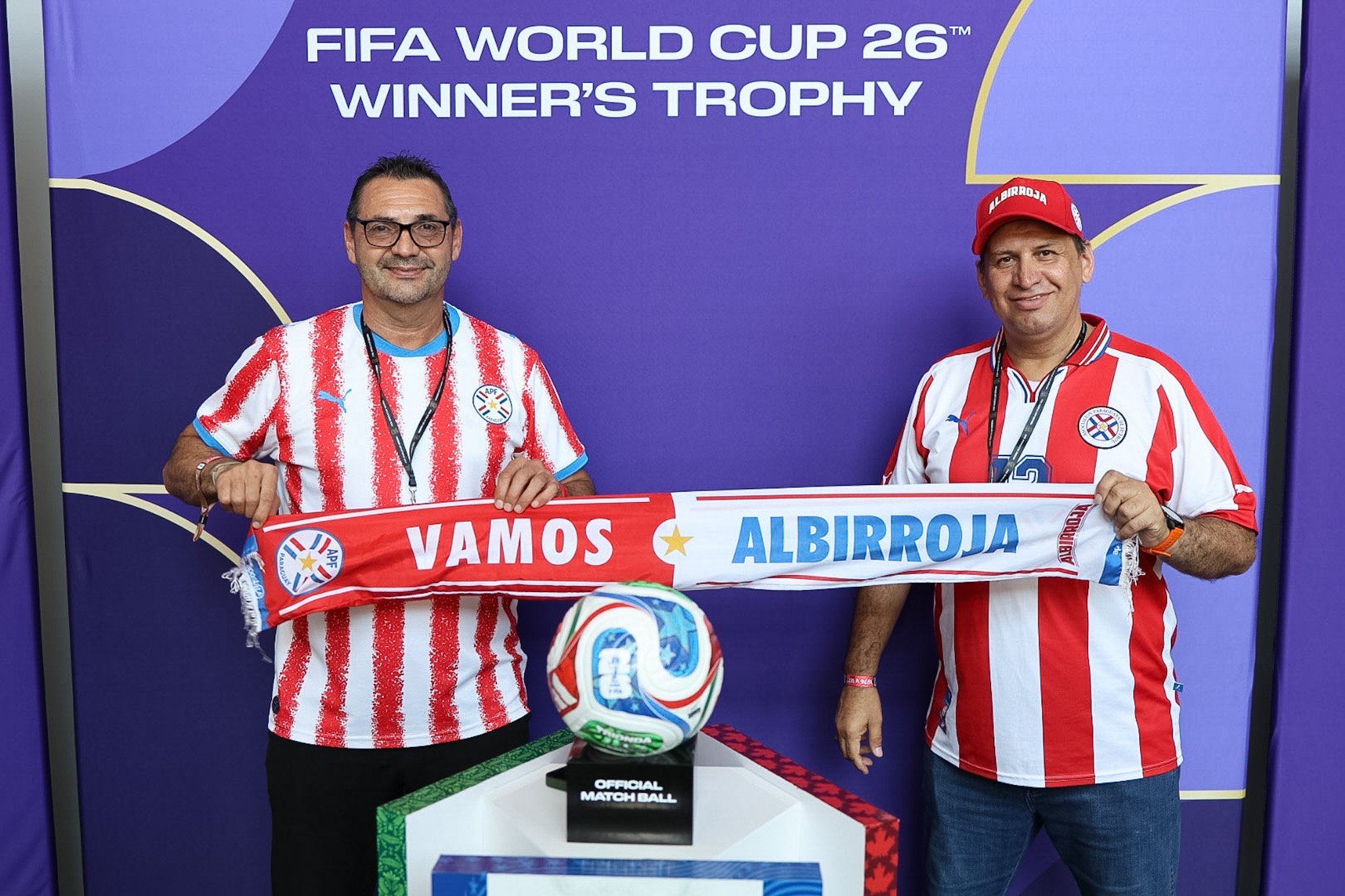
If you're investing in a conference or convention, the event itself is only half the equation. Venues, travel, speakers, and production add up quickly, and once the doors close, that investment stops working unless you've captured it. A well-produced recap video is one of the most efficient ways to extend the return on that spend — turning a single day into content you can use for months: sponsor recaps, next year's marketing, internal culture pieces, and social proof for future attendees.
Conference footage also gives you options. Keynotes can be edited into standalone talks, panel highlights can become short social clips, and attendee reactions can anchor next year's registration campaign.
Businesses Doing Product Launches or Brand Activations
A launch event lives once. The room, the reveal, the crowd's reaction — without video, all of that disappears the moment the doors close. Recap video captures the energy of a launch in a way photos alone can't fully convey, and gives your marketing team something genuinely shareable afterward, rather than just a folder of static images.
Companies Building Recruiting and Culture Content
Job seekers want to see what it's actually like to work somewhere. Short videos from team events, offsites, volunteer days, and office celebrations show real people and real culture in a way a careers page never can. Growing companies use this footage on LinkedIn, in job postings, and in onboarding materials — and pairing it with consistent team headshots keeps your whole brand looking polished.
Organizations Running Training Programs or Graduation Ceremonies
Internal milestones — graduations from leadership programs, certification ceremonies, employee recognition events — matter to the people in the room, even if they're not public-facing. Professional coverage signals that the company values these moments enough to document them properly, and gives HR and internal comms teams real content for newsletters, LinkedIn, and onboarding materials.
Nonprofits and Mission-Driven Organizations
Galas, fundraisers, and community events are where a nonprofit's story comes to life. Video of donors, volunteers, and the people you serve is some of the most powerful fundraising content you can have, and a short recap shared after the event helps thank supporters and set up next year's campaign.
B2B and Professional Services Firms
For law firms, financial advisors, agencies, and B2B companies, trust is everything. Video from client events, educational seminars, and leadership talks shows your expertise and personality in a way a website bio can't. A few well-produced clips of your team speaking, teaching, or hosting clients can support business development for years.
Signs Your Company Is Ready for Professional Video
You're spending real money on events but have little to show for them afterward
Your social channels rely on stock footage or phone clips
Sponsors or partners are asking for proof of the value they received
You're hiring and want candidates to see your culture
Leadership messages aren't reaching remote or hybrid employees
If two or more of these sound familiar, video will likely pay for itself quickly.
Why This Matters More Than Most Companies Think
Video consistently outperforms other content formats for engagement and trust. According to Wyzowl's 2026 State of Video Marketing report, 82% of marketers report seeing a good return on investment from video content — and for event marketing specifically, a single highlight video can do the work of a brochure, a testimonial, and a case study all at once.
Types of Corporate Video You Can Get From One Event
Highlight or recap video: a 2–3 minute edit that captures the energy and key moments of the day.
Social clips: short 30–60 second cuts sized for LinkedIn, Instagram, and other platforms.
Keynote and session recordings: full or edited talks for your website, internal library, or on-demand viewing.
Testimonial interviews: quick on-site interviews with attendees, sponsors, or customers.
Sponsor and partner recaps: focused edits that show sponsors the value they received.
Internal messages: leadership remarks and recognition moments for employees who couldn't attend.
How to Plan a Corporate Video Shoot
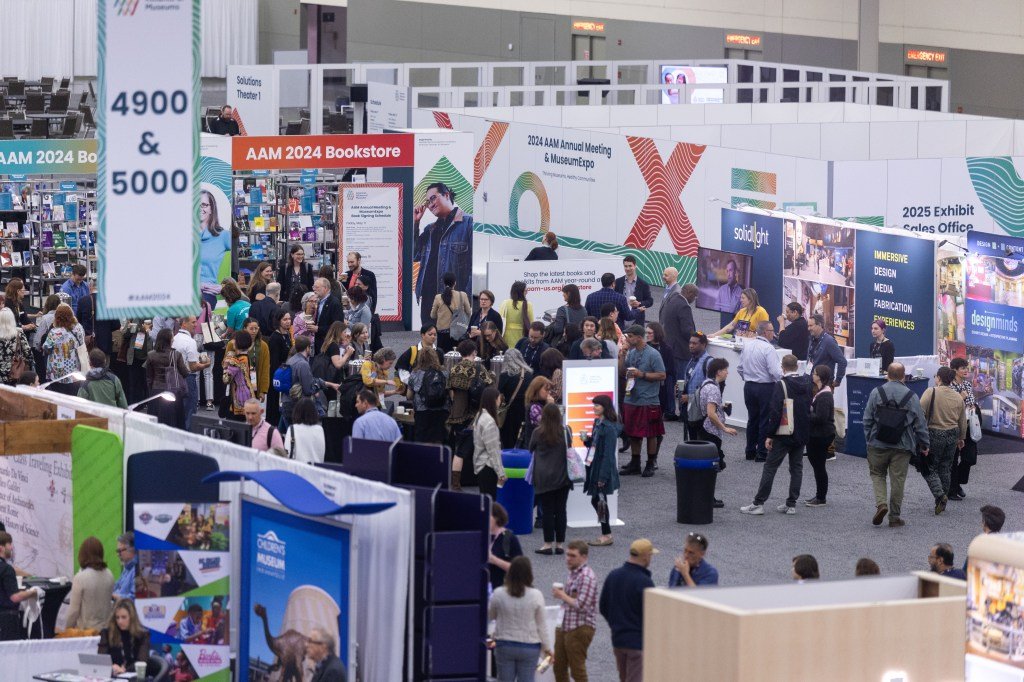
The best corporate videos are planned before the cameras come out. A few steps make a big difference:
Define the goal. Decide whether the video is for marketing, internal communication, sponsors, or recruiting — it changes what gets filmed.
Share the run of show. Your videographer needs to know when speakers go on, when awards happen, and where the key moments will be.
Plan interviews in advance. Line up a few attendees, speakers, or executives who are comfortable on camera, and pick a quiet spot to film.
Think about audio. Clean sound matters as much as the picture. Coordinate with your AV team so the videographer can record directly from the sound system when possible.
Agree on deliverables. Confirm video lengths, formats, and delivery dates before the event so there are no surprises.
What Makes a Good Corporate Video
Great corporate video isn't about fancy effects. It comes down to a few basics done well: clear audio, steady and well-lit footage, a story with a beginning, middle, and end, and editing that respects the viewer's time. The best recap videos feel like the event — the energy of the room, the key message from the stage, and real reactions from the people who were there — without dragging on. Branding should be present but not overwhelming, and every clip should support the goal you set before the event.
How to Use Your Video After the Event
Post the recap on LinkedIn, your website, and your event page
Send it to attendees and sponsors in a thank-you email
Use short clips in paid social ads and next year's registration campaign
Share leadership moments and recognition clips in internal newsletters
Add testimonials to sales decks and case studies
Include culture clips in job postings and recruiting pages
What Affects the Cost of Corporate Videography
Pricing depends mainly on how many hours of filming you need, the size of the crew, how many finished videos you want, and how quickly you need them. Extras like on-site interviews, multiple cameras for keynotes, drone footage, or same-day social edits can add to the scope. The easiest way to get an accurate quote is to share your agenda and a list of the videos you'd like to end up with.
Photo and Video Together
Most companies need both. Booking photography and videography from the same studio means one point of contact, one plan, and a consistent look across every image and clip. The two teams already know how to work around each other on the floor, so they capture more without getting in each other's way. If you're also hiring a photographer, read what to expect when hiring a corporate event photographer.
How David Pierre Studio Approaches Corporate Video
We start with a conversation about what the footage actually needs to accomplish — internal recap, external marketing, press, or all three — and build our coverage around that goal rather than just filming everything and hoping something usable comes out of it. Most galleries and edited highlights are delivered within 24–48 hours, depending on your package.
We've covered corporate events ranging from leadership program graduations to national expansion launches across Pennsylvania, New Jersey, New York, and beyond, and we adjust our style to fit the tone of every event.
See our corporate work and services → Corporate Events
Frequently Asked Questions
Do we need a full video production team, or can one person cover both photo and video?
It depends on your event's scale. Smaller events can often be covered efficiently by one photographer/videographer; larger conferences or multi-room events typically benefit from a dedicated video team working alongside photography.
How long should our final recap video be?
Most effective highlight videos run 2–3 minutes for full distribution, with shorter 30–60 second cuts made from the same footage for social platforms like LinkedIn and Instagram.
Can we get both a long-form video and short social clips from the same shoot?
Yes — this is standard practice. One well-planned shoot can produce a full recap plus several shorter, platform-specific edits.
Can you film on-site interviews or testimonials?
Yes. Short interviews with attendees, speakers, or leadership are one of the most effective parts of a recap video. Let us know who you'd like to feature, and we'll plan a quiet spot and time to film.
Can you film multi-day events?
Yes. For conferences and summits that run more than one day, we plan filming around the sessions and moments that matter most, so you get complete coverage without paying for hours you don't need.
What do we need to provide on the day?
An on-site contact, access to the stage and audio feed if possible, and a short list of the people and moments that matter most. We handle the rest.
How far in advance should we book?
For planned events like conferences or launches, 4–8 weeks of notice is ideal, especially if you need both photo and video coverage.
How do we get started?
Send your event date, location, agenda, and goals through our corporate contact form, and we'll recommend the right mix of video and photo coverage.