Why Videography Is Important for Weddings
Photography captures a moment. Video captures how it felt — the sound of your dad's voice cracking during his toast, the way your partner laughed at your vows, the room erupting when you were announced as married. If you're deciding whether videography is worth the investment, here's what the data — and the couples who've been through it — actually say.
The Most Common Wedding Regret
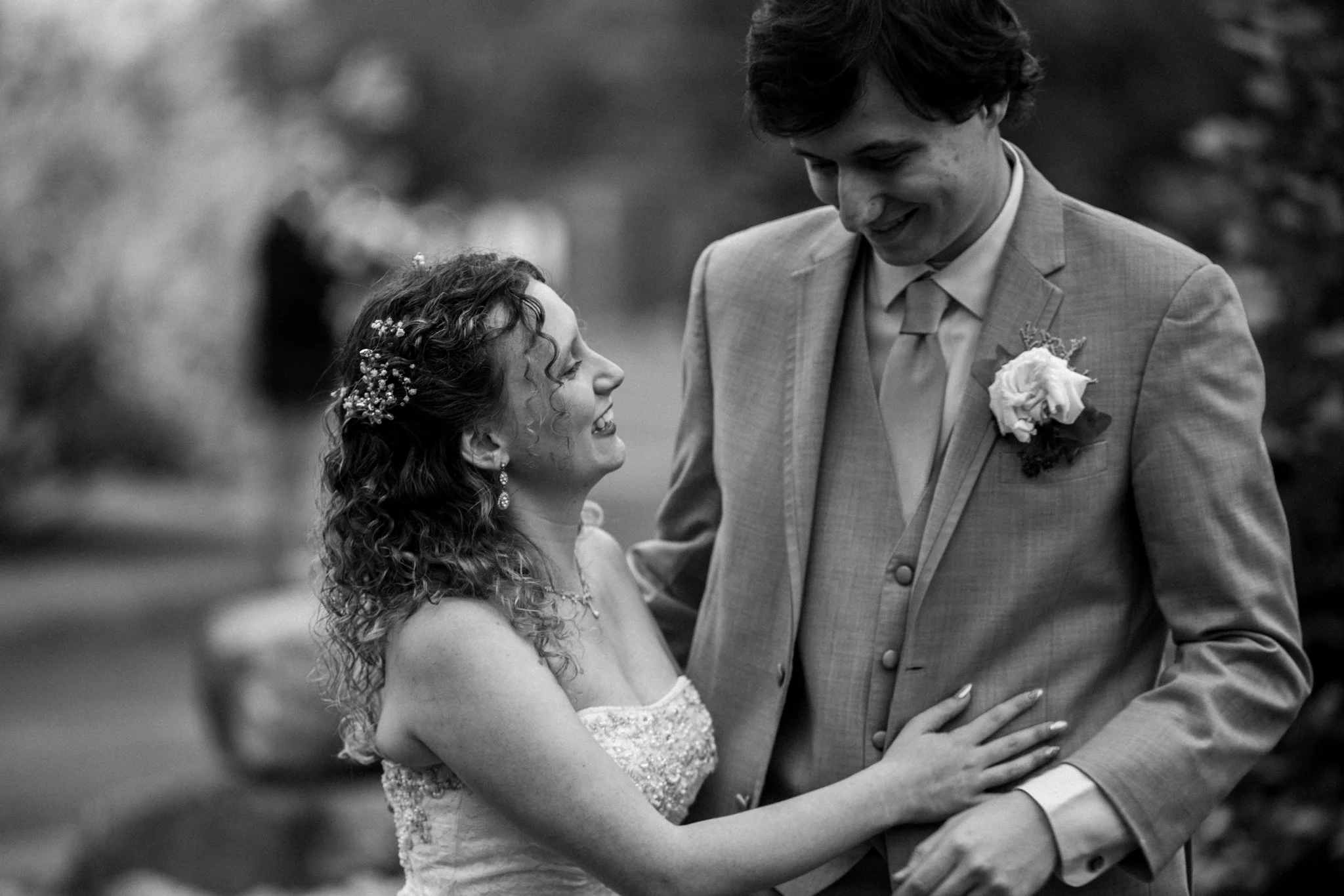
Across years of industry surveys, one finding shows up again and again: skipping videography ranks among the most frequently cited regrets among married couples, according to Soul Motion's 2026 Wedding Videography Statistics report. Couples who cut video to save money often report wishing they'd trimmed elsewhere instead — florals, favors, transportation — rather than the one thing that would let them relive the actual sound and motion of their day.
Photos freeze a single frame. A wedding film lets you hear the vows again, watch a grandparent's reaction during the first dance, and experience the day the way it actually unfolded — not just how it looked.
Why Couples Who Book Videography Say It's Worth It
Couples who do hire a videographer consistently point to two reasons above all: emotional value, and the ability to share the day with family who couldn't be there in person. Years later, wedding films are what gets pulled out on anniversaries, sent to relatives overseas, and rewatched when a parent's voice is one you can no longer hear anywhere else.
That's the real case for video — it's not about production value for its own sake. It's about having something real to return to.
What Video Captures That Photos Can't
Voices. Your vows, your parents' toasts, your grandmother's blessing — words you'll want to hear again exactly as they were spoken.
Movement. The walk down the aisle, the first dance, the flower girl who decided to run instead of walk.
Sound and atmosphere. The music, the laughter, the cheers when you kiss — the energy of the room that a still image can only suggest.
Moments you missed. You can't be everywhere on your wedding day. Video shows you what was happening while you were getting ready, greeting guests, or taking portraits.
Personality. The way people talk, move, and joke is what makes them who they are. Film keeps that alive in a way photos can't.
What a Modern Wedding Film Actually Looks Like
Wedding videography today isn't the stiff, narrated format of decades past. Current films lean documentary — real vows, real reactions, real ambient sound — edited with intention rather than over-produced. Multi-camera ceremony coverage has also become an expectation rather than a luxury, since it ensures speeches, vows, and reactions are all captured cleanly from more than one angle, with nothing missed because a single camera was pointed the wrong way at the wrong moment.
Types of Wedding Videos You Can Get
Highlight film: a 3–7 minute edit of the emotional high points of your day, set to music with real audio from vows and speeches.
Full ceremony edit: your complete ceremony from start to finish, so every word is preserved.
Speeches and toasts: each toast captured in full, often from more than one angle.
Social media teaser: a short vertical edit for Instagram or TikTok, perfect for sharing with friends right after the wedding.
Drone footage: aerial shots of your venue that add a cinematic sense of place, where venue rules and weather allow.
Video and Photography Work Better Together
Photography and videography aren't competing for the same moments — they're built to capture different things. A photo freezes an expression; a film shows how that expression came to be. Couples who book both consistently end up with a fuller, more complete record of the day than either alone could provide — stills for framing and albums, film for the moments that only make sense in motion and sound.
Booking both from one studio also makes your day easier. The photographer and videographer already know how to work around each other, so they stay out of each other's shots, share the same timeline, and never compete for the best angle during the ceremony. You also get one point of contact instead of coordinating two separate vendors.
Common Myths About Wedding Videography
"A videographer will get in the way." Today's wedding videographers use compact, quiet gear and work in a documentary style. Most couples say they barely noticed them.
"We'll never watch it." Couples often say the opposite — that the film becomes more precious every year, especially as family members age and the day feels further away.
"A guest can just film it on their phone." Phone footage rarely has usable audio, steady shots, or the right angles, and it puts pressure on a guest who should be enjoying your wedding.
"Video is only for big, fancy weddings." Intimate weddings and elopements often make the most moving films, because every word and reaction is so personal.
Capturing Cultural Traditions and Family Moments
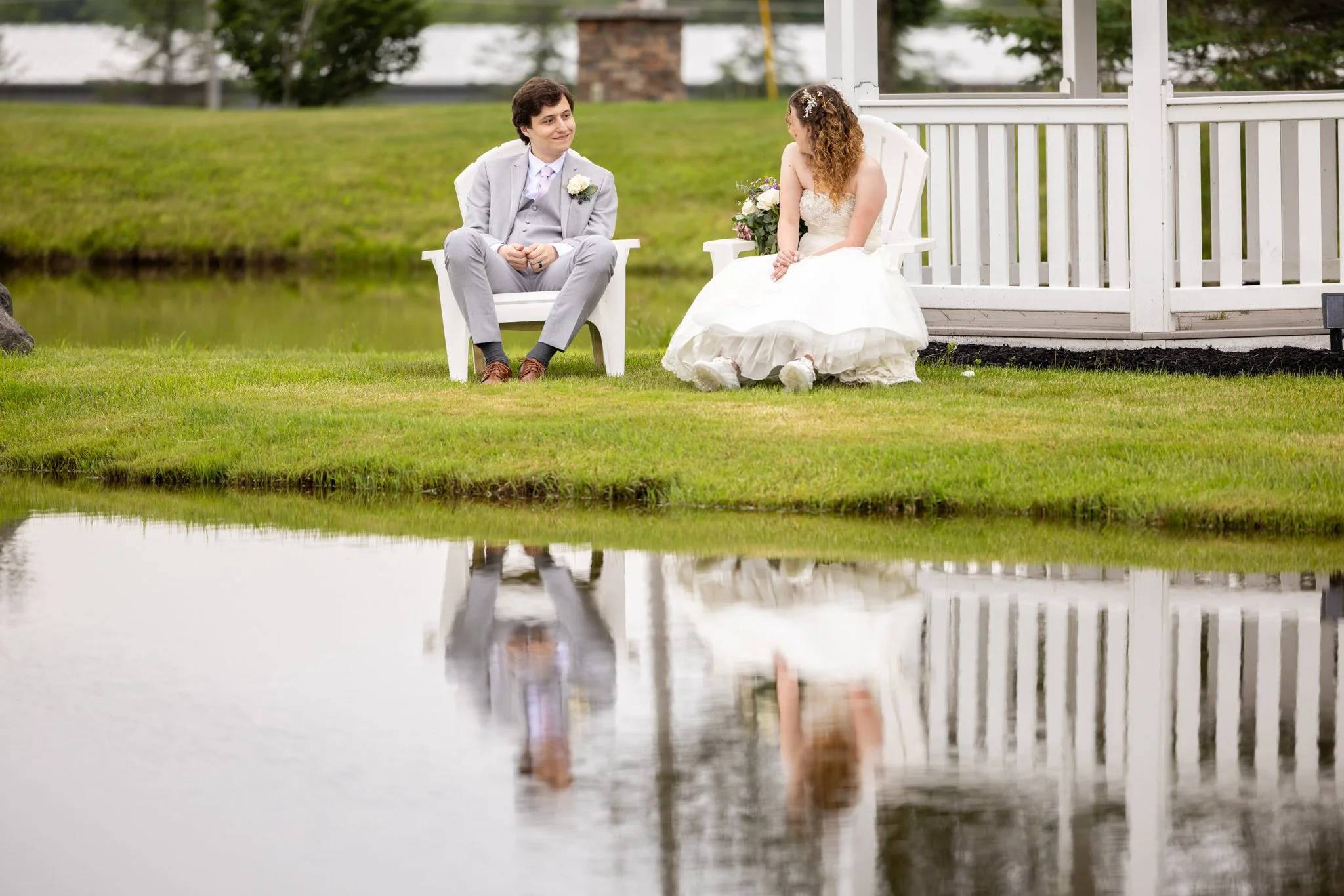
Many weddings include traditions that are best experienced in motion and sound — a hora, a baraat, a money dance, a tea ceremony, or a special blessing in the family's native language. Video preserves the music, the chants, and the energy of these moments exactly as they happened, so they can be shared with relatives who couldn't attend and passed down to the next generation.
Questions to Ask a Wedding Videographer
Can we see full wedding films, not just short highlight clips?
How do you record audio for vows and speeches?
How many cameras will you use during the ceremony?
What videos are included, and how long is each one?
Do you work alongside a photographer you know well?
For more on vetting vendors, see our guide on how to choose a wedding photographer.
Is Wedding Videography Worth the Cost?
Video usually adds a meaningful amount to a wedding budget because it involves another skilled professional on site, separate audio equipment, and many hours of editing afterward. But when you compare it to other line items — flowers that last a day, favors many guests leave behind — a film you'll watch for decades is one of the few purchases that grows more valuable over time. If budget is tight, consider a shorter coverage window focused on the ceremony and speeches, or a package that bundles photo and video together. Our guide to wedding photographer cost in Philadelphia breaks down what our collections include.
How to Get the Best Wedding Film
Plan for good audio. Ask your officiant and DJ to coordinate with your videographer so vows and toasts are recorded clearly.
Give your videographer time. A few extra minutes for portraits or a sunset walk adds beautiful footage to your film.
Share what matters to you. A special song, a family tradition, or a surprise moment — let your videographer know so they're ready.
Consider an unplugged ceremony. Asking guests to put their phones away keeps the aisle clear and makes the footage look cleaner.
Plan enough coverage hours. See our guide on how many hours of coverage you actually need.
How David Pierre Studio Approaches Wedding Video
We build video coverage around your actual timeline rather than a generic template — prioritizing vows, speeches, and the reactions around them, since those are the moments couples say they want to relive most. Whether you're booking our Gold or Diamond collection, your video is edited to feel like your wedding, not an interchangeable highlight reel. Our films follow the same approach as our documentary style wedding photography — real moments, captured as they happen.
Ask about our wedding photo and video collections → Wedding Inquiry
Frequently Asked Questions
Do we really need video if we're already getting great photos?
Photography and videography capture fundamentally different things — a photo can't replay your vows or your dad's toast. Couples who choose both consistently say it gives them the fullest picture of their day.
How long is a typical wedding highlight film?
Most highlight reels run 3–7 minutes, giving you the emotional high points without needing to watch hours of raw footage. Longer, full ceremony and speech edits are usually offered separately for those who want the complete moments preserved in full.
Can we get a shorter version for social media too?
Yes — many couples now request a short vertical edit alongside the traditional highlight film, specifically for sharing on Instagram or TikTok.
Will a videographer be intrusive during our ceremony?
A good videographer works quietly and respects your officiant's rules. Modern cameras are small and discreet, and most guests barely notice them.
Do you offer drone footage?
Drone photo and video is included in our Diamond collection, where venue rules and weather allow.
Can our film include our first dance song?
Ask your videographer how they handle music. Many films use licensed music for the soundtrack, while the real audio from your first dance, vows, and toasts is woven in so the film still sounds like your day.
Is video worth it for a small wedding or elopement?
Absolutely. With fewer guests, every word and reaction carries more weight, and a short film is often the best way to share an intimate day with family and friends who weren't there.
Should we book our photographer and videographer together?
We recommend it. A photo and video team that already works together stays out of each other's way and gives you a consistent look across your photos and film.