Documentary Style Wedding Photography in Philadelphia
You are not planning a photo shoot. You are planning a wedding. Documentary style wedding photography keeps that truth at the center — real events and real emotion, captured as they happen. We look for the squeeze of a hand before the first look, the way your friends fill the room with nervous jokes, the brief quiet right after you say "we did it." Instead of pausing the day for constant posing, a documentary photographer watches closely, anticipates interactions, and preserves them with care. The final gallery feels like a memory because it's built from what was actually there.
This isn't just a personal preference — it's where the industry is heading. More and more couples are asking for natural, unposed coverage over traditional formal portraits. They want photos that feel like their actual wedding, not a performance for the camera.
What Is Documentary Style Wedding Photography?
Documentary style wedding photography — sometimes called photojournalistic or candid wedding photography — tells the story of your day by observing it rather than directing it. The photographer's job is to notice what's happening, anticipate what's about to happen, and be in the right place with the right light when it does.
That doesn't mean the photographer is passive. Good documentary work takes constant attention: reading body language, knowing when a toast is about to land, moving quietly to the angle that shows both the speaker and the reaction. The difference is that the moments themselves are real. Nobody is asked to fake a laugh or re-do a walk down the aisle.
Documentary vs. Traditional Wedding Photography
Traditional: the photographer leads the day with a shot list, frequent posing, and lots of time set aside for arranged photos. Images look polished but can feel stiff.
Documentary: the photographer follows the day, stepping in only when direction truly helps. Images feel natural, emotional, and specific to your wedding.
Blended (what most couples want): mostly documentary coverage, plus a short, efficient block of family formals and couple portraits so you still get the classic frames for your parents' walls.
At David Pierre Studio, we shoot in that blended way by default: the story comes first, and the portraits are relaxed, quick, and planned around your timeline.
A City Full of Options
Philadelphia gives couples an unusually wide range of venues to choose from, and that variety shapes how documentary photography works day to day. You might be exchanging vows on the marble steps of a historic building downtown, celebrating in a converted industrial warehouse in Fishtown, or hosting an intimate garden ceremony just outside the city in Bucks or Chester County. Some couples want the grandeur of a ballroom; others want a barn, a rooftop, or a quiet countryside estate. For ideas, see our photographer's guide to the best wedding venues in NY, NJ & PA.
That range means no two weddings look, move, or feel the same — and documentary coverage is built for exactly that. Instead of a rigid formula, we adapt to your specific venue, guest count, and pace, so the story we capture actually reflects the day you planned, not a generic version of it.
The David Pierre Studio Approach
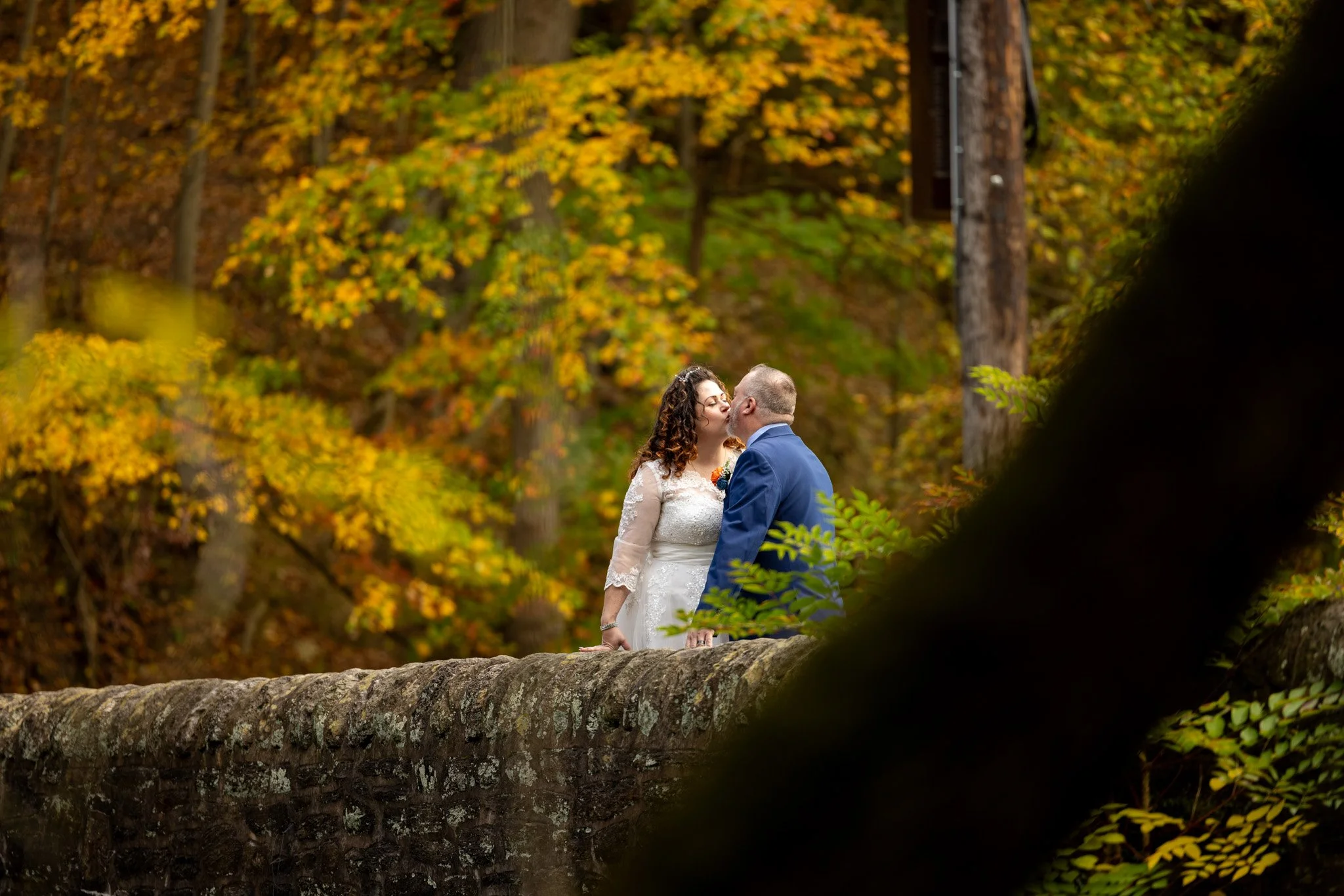
At David Pierre Studio, our approach is unobtrusive but intentional. We stay close enough to catch the fleeting stuff and quiet enough that it stays real. We start early, framing the mood of the morning and the small details you chose on purpose.
During the ceremony, we track faces and reactions as much as the vows. At the reception, we follow the energy, from soft moments at dinner to the wild ones on the dance floor. You still get portraits and family photos — we just keep them efficient and natural, so they support the story instead of hijacking it. With years of experience across Philadelphia and the Tri-State area, and more than 500 weddings documented, we know how to stay steady in any light, schedule, or weather twist.
How a Documentary Wedding Day Unfolds
Getting ready. This is where the story starts. We photograph the details you chose — the dress, the rings, the letters — but mostly we watch the people: a parent fixing a tie, the bridesmaid who can't stop crying, the last deep breath before heading out the door.
The ceremony. We work quietly and respect your officiant's rules. With two photographers, one can stay on you while the other catches your families' faces, so you see both sides of the moment later.
Portraits and family formals. We keep these short and organized with a simple shot list, so your families get the photos they want without losing the whole cocktail hour. Couple portraits are relaxed — a walk, a quiet corner, some golden-hour light — with light direction rather than stiff posing.
The reception. Toasts, first dances, grandparents on the dance floor, the friend who takes over the DJ booth. This is where documentary coverage shines, because the best moments are completely unplanned.
Light, Weather, and the Unexpected
Documentary photographers don't get to wait for perfect conditions — the moment happens once, in whatever light is there. Philadelphia weddings can bring bright summer sun at an outdoor ceremony, dim candlelit ballrooms, sudden spring storms, and early autumn sunsets. We plan around all of it: scouting where the best window light is during getting ready, keeping a rain plan for portraits, and using off-camera light at receptions when the room gets dark, without letting the equipment take over the atmosphere.
The unexpected is often where the best photos come from. A downpour that sends everyone running for cover, a flower girl who refuses to walk, a best man who loses the rings for thirty seconds — those are the stories your family will retell for years, and we want them in your gallery.
Not sure how much time you need to cover all of it? Our guide on how many hours of wedding photography coverage you actually need breaks it down.
What You Receive With Documentary Coverage
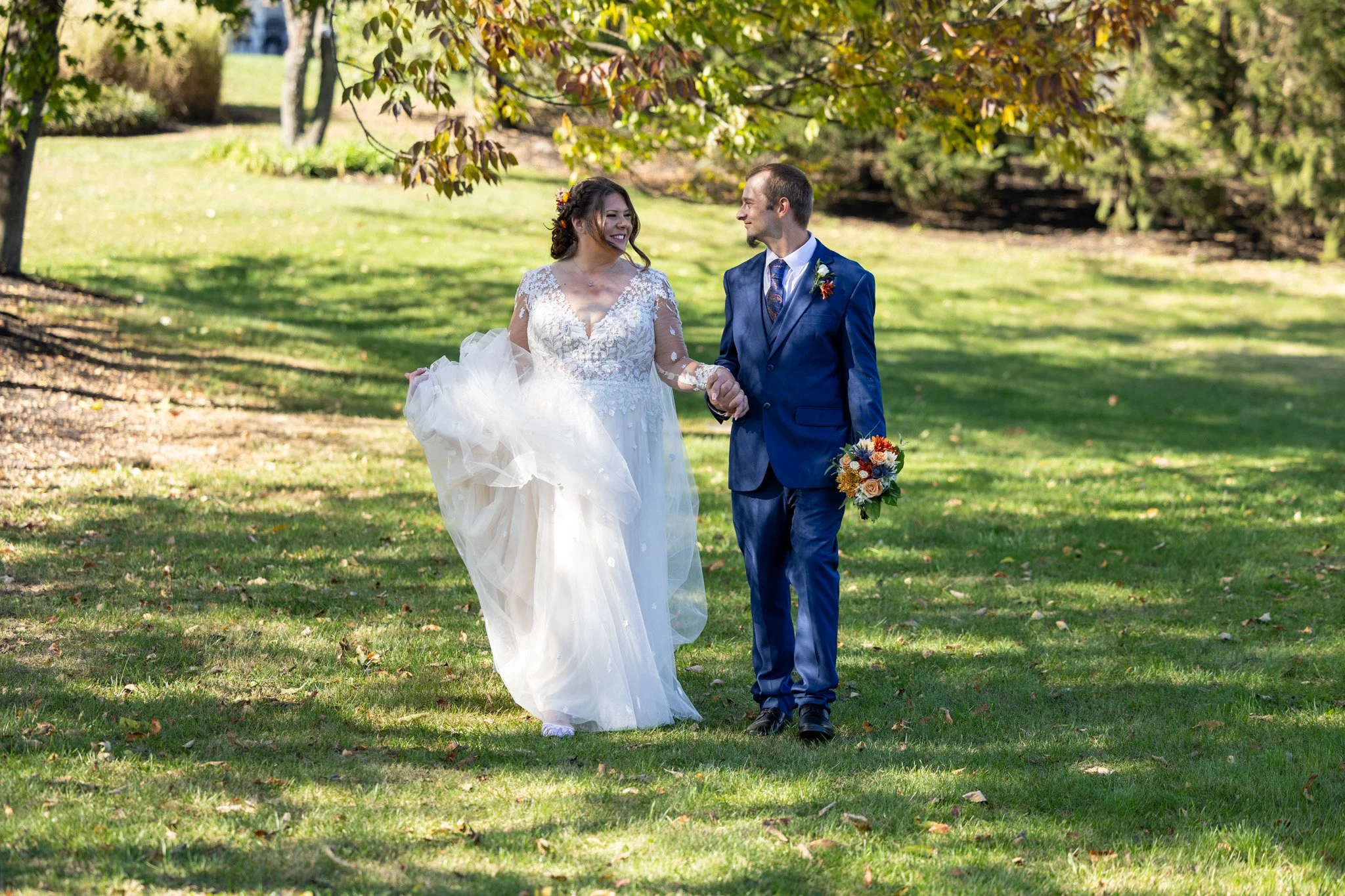
You receive a full narrative, not a highlight reel. The gallery includes the big scenes, but also the connective tissue that makes the day feel whole — arrivals, in-between jokes, hands wiping tears, and the sideways glances that happen when you think no one is watching. We deliver images that are clean, emotionally sharp, and true to your pace and personality. Your wedding will not look like someone else's, and that's the point.
Every one of our collections includes fully edited images and an online gallery, and our Gold and Diamond collections add a videographer, so your wedding film tells the same honest story as your photos. See what's included in each on our wedding photographer cost in Philadelphia page, or read why videography is important for weddings.
How to Get the Most Out of Documentary Photography
Build breathing room into your timeline. Rushed days produce rushed photos. A few extra minutes between events gives real moments space to happen.
Tell us what matters most. A grandmother who's traveling in, a family tradition, a surprise you're planning — we'll make sure we're in position for it.
Keep the family shot list short. List the must-have groupings and let the rest happen naturally throughout the day.
Think about the light. Window light for getting ready and a sunset window for portraits make a big difference.
Forget about the camera. Be present with each other and your guests. The less you perform, the better your photos will be.
Is Documentary Style Right for You?
Documentary coverage is a great fit if you want to enjoy your wedding instead of managing it, if you care more about emotion than perfect poses, and if you want photos your family will still feel something about in thirty years. If you want a gallery made almost entirely of posed, magazine-style portraits, a more traditional approach may suit you better — and that's worth asking any photographer about before you book. Our guide on how to choose a wedding photographer covers the questions to ask.
Capture Your Wedding as It Really Happened
Documentary style wedding photography in Philadelphia is about truth, emotion, and place. You live the day as it unfolds. We capture it with a calm eye and a storyteller's instinct. If you want photos that feel like your wedding, not a production, this is your lane.
See real Philadelphia weddings we've photographed → Galleries
Frequently Asked Questions
What counts as documentary style wedding photography?
It's photojournalistic coverage where most images are candid and story-driven. Your photographer directs only when it helps the day, then steps back to let life unfold.
Will we still get classic couple portraits?
Yes. Documentary does not mean zero portraits. It means portraits are relaxed, quick, and timed to fit your timeline.
Will we still get family photos?
Yes. We plan a short, organized block of family formals using a shot list you give us ahead of time, so everyone who matters is photographed without eating up your cocktail hour.
Is documentary photography good for camera-shy couples?
It's ideal. Because most of the day is observed rather than posed, you spend very little time "on camera" — you just live your wedding, and we capture it.
How can we help our photographer get the best story?
Build in breathing room and tell your photographer what matters most to you. Then be present with each other. When you are not performing for the camera, the best moments happen naturally.
How do we book David Pierre Studio?
Send your date, venue, and a quick outline of your day through our contact form, and we'll follow up with collections that fit your timeline.