How to Choose a Wedding Photographer — Questions to Ask Before You Book
Choosing a wedding photographer isn't like picking a caterer or a florist. This is the one vendor who follows you through the entire day — the nervous morning, the vows, the toasts, the last dance — and hands you back the only tangible proof of how it all felt. A bad florist choice fades by the following week. A bad photographer choice is something you live with forever, because there's no redo on a wedding day. Here's what's actually worth asking before you sign anything, and why each question matters more than it might first seem.
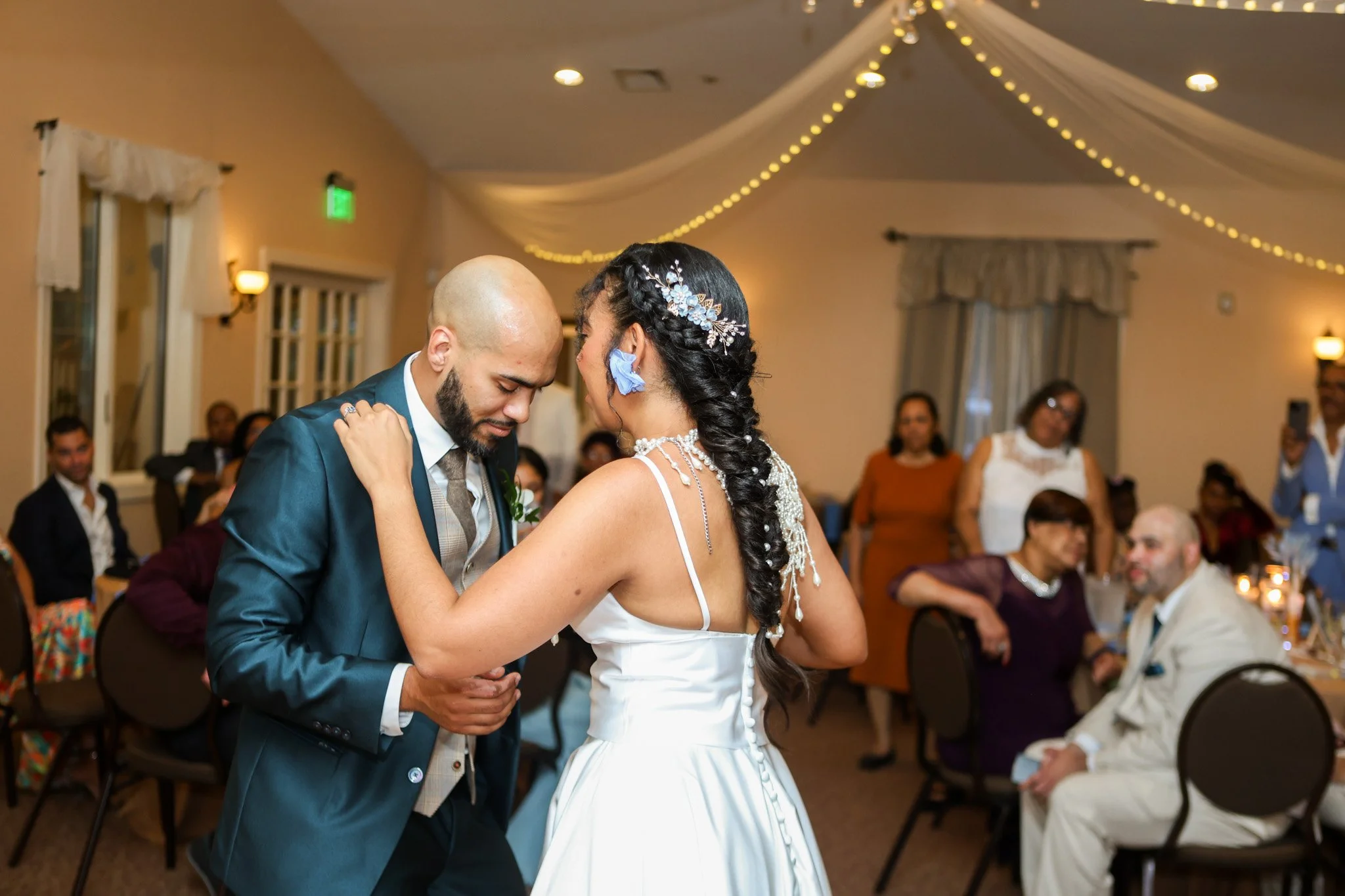
How Many Weddings Have You Actually Shot?
Years in business matter less than volume. A photographer who's been "in business for 10 years" but only shoots a handful of weddings a season has seen far less than someone who's covered 500+ celebrations in half that time. Volume is what builds real instinct — knowing when a candid moment is about to happen before it does, recognizing which family member always disappears right before formals, sensing when a couple needs a private minute versus when they want you right there with them. Ask for a real number, not just "years of experience," and don't be afraid to ask how many of those were weddings specifically versus portraits or other event types.
Can I See a Full Wedding Gallery, Start to Finish?
Instagram shows highlights — the best-lit portrait, the most dramatic first look, the single perfect frame from an entire ceremony. It doesn't show you the other 800 photos from that same day. A full gallery shows the truth: how a photographer handles harsh midday sun during outdoor portraits, a dim reception hall lit only by string lights, a rainy ceremony that moved indoors last minute. Per Adorama's photographer-hiring guide, reviewing full portfolios rather than curated samples is one of the most reliable ways to judge real consistency before booking. If a photographer is hesitant to share a complete gallery, that hesitation itself is worth paying attention to.
What Happens If You're Sick or Can't Make It?
This is the question people forget until it's too late — usually the morning of, when it's far too late to do anything about it. A professional photographer should have a clear, specific backup plan, not a vague "I'll figure something out." Ask exactly who would show up in an emergency, whether that backup photographer is familiar with your photographer's editing style, and whether you'd be informed in advance or only find out when a stranger walks through the door. A confident, detailed answer here says a lot about how seriously a photographer treats their responsibility to you.
How Many Photos Will We Actually Receive, and How Are They Delivered?
Get specifics: a rough photo count, how images are delivered (online gallery, USB drive, both), and whether every usable shot gets edited or only a curated selection makes the final cut. Some photographers deliver 300 photos from an 8-hour day; others deliver 1,200. Neither number is inherently right or wrong, but you should know which one you're getting before you book, not after. Vague answers here often mean vague expectations later, and a gallery that feels thin compared to what you imagined.
What's Your Turnaround Time for the Final Gallery?
"A few months" isn't a real answer. Ask for a specific window — 2 weeks, 6 weeks, 3 months — and get it in writing as part of your contract, not just a verbal promise during your consultation. This is also a good moment to ask what happens if that timeline slips: does the photographer proactively communicate delays, or do you find yourself sending follow-up emails into silence? How a photographer handles a missed deadline tells you a lot about how they'd handle any other hiccup along the way.
Do You Bring a Second Shooter?
A second photographer means more angles captured simultaneously — the ceremony from the front and the guests' reactions at the same time, the groom's face during the first look and the bride's expression a moment before she's seen. It also means a backup set of eyes and equipment if something happens to the primary camera mid-day. Not every wedding needs a second shooter, especially smaller or single-location events, but it's worth knowing whether it's offered, what it costs, and how the two photographers coordinate coverage between them. Our guide on how many hours of coverage you actually need explains when a second shooter makes the biggest difference.
How Do You Handle Family and Group Formals?
Family portraits are often the most logistically stressful part of a wedding day — gathering 15 different combinations of relatives who are scattered across cocktail hour, all while the clock is ticking on your reception timeline. Ask how a photographer typically structures this: do they request a shot list in advance, do they bring a "wrangler" mentality to keep things moving, and roughly how long do they budget for formals based on your family size? A photographer who's thought this through in advance will save you real stress on the day itself.
What's Included Versus What's an Add-On?
Albums, prints, engagement sessions, raw files, drone coverage — these vary wildly between photographers and packages. Get a full, written breakdown of what's actually included in your package price versus what would cost extra if you wanted it later. It's far better to know upfront that an album is a $400 add-on than to assume it's included and find out otherwise once you're already planning around it. For a sense of typical local pricing, see our guide to wedding photographer cost in Philadelphia.
Do You Have Backup Equipment?
Cameras fail. Memory cards corrupt. A professional photographer should carry backup bodies, lenses, and memory cards as standard practice, not as an afterthought. Ask specifically how they back up images on the day itself — many experienced photographers shoot to dual memory cards simultaneously, meaning two copies of every photo exist before they've even left your venue.
Can You Match the Style I'm Actually Looking For?
Photographers often describe their approach using terms like documentary, editorial, light and airy, or moody and cinematic. These labels matter less than seeing real examples that match the specific feeling you want your gallery to have. If you love bright, natural-light photos and a photographer's typical work leans dark and dramatic, that's a real mismatch worth catching before you book, not after your gallery arrives looking nothing like what you pictured. If you're drawn to candid, story-driven coverage, read more about documentary style wedding photography.
Have You Worked at Our Venue Before?
Experience at your specific venue isn't required, but it helps. A photographer who knows the space already understands where the best light falls, which spots work for portraits in the rain, and how the timeline usually flows there. If they haven't shot there, ask whether they'll visit beforehand or review photos of the space. Our photographer's guide to the best wedding venues in NY, NJ & PA covers several venues we know well.
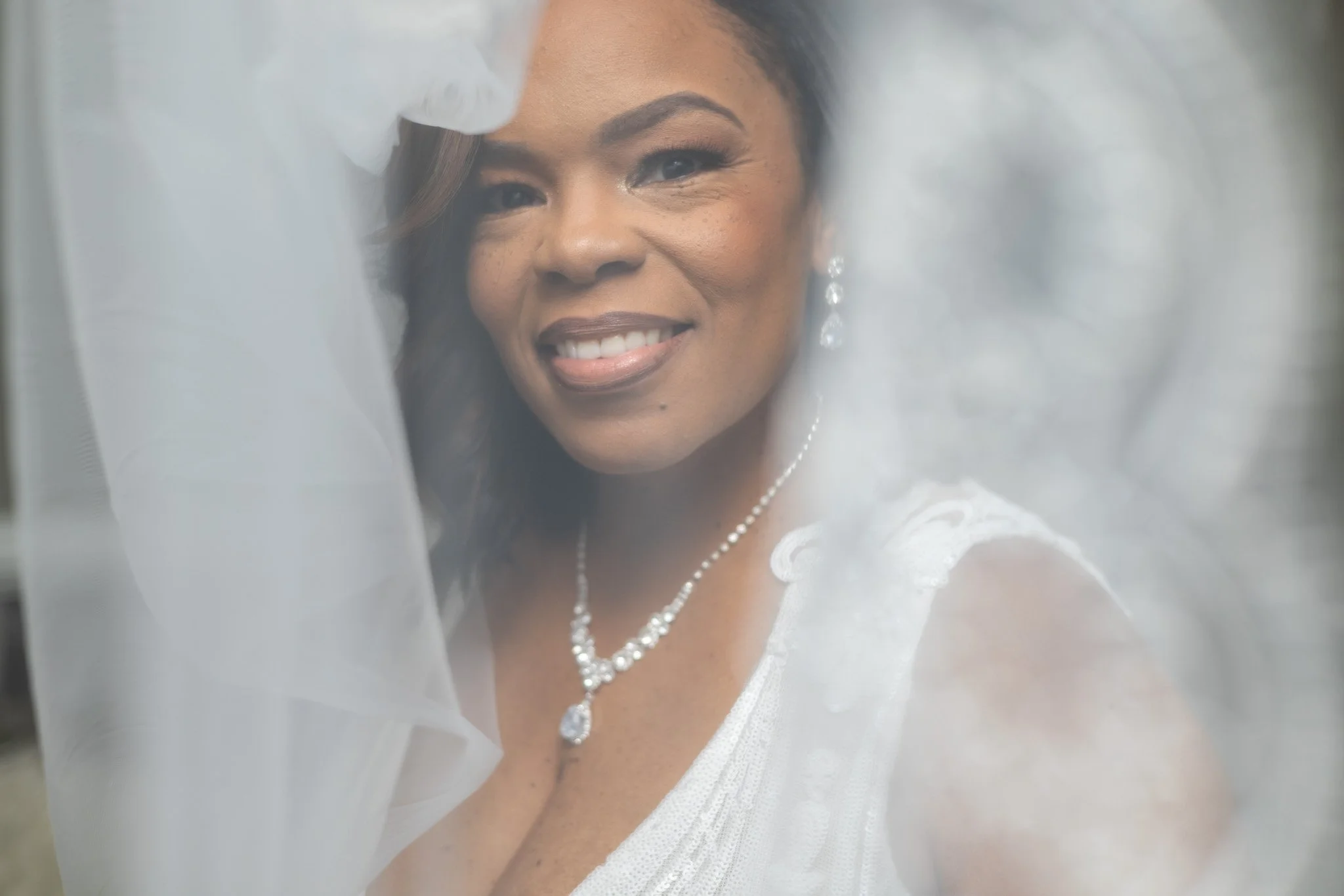
Do You Also Offer Videography?
If you're considering a wedding film, ask whether the photographer offers video or works regularly with a videographer. A photo and video team that already knows each other stays out of each other's shots and delivers a consistent look across both. Learn more about why videography is important for weddings.
Do We Actually Get Along?
Your photographer is with you more than almost anyone else on your wedding day, including the most private and emotional moments. Before booking, have a phone or video call and pay attention to how it feels. Do they listen? Do they ask about your families, your priorities, and your timeline? Do you feel relaxed talking to them? Couples who feel comfortable with their photographer look more natural in their photos, so this matters as much as the portfolio.
How David Pierre Studio Answers These, Upfront
We've documented 500+ weddings and engagements across PA, NJ, and NY since 2015. Every couple gets a clear breakdown of hours, deliverables, and pricing before booking — no vague answers, no surprise add-ons, no ambiguity about what happens if plans change. If you want to see exactly what a real gallery looks like before deciding, our full wedding portfolios are public, not just curated highlights, so you can judge consistency across an entire day rather than a handful of standout frames.
See our wedding packages and pricing → Wedding Inquiry
Frequently Asked Questions
Should I book a photographer based on price or experience?
Neither alone. The right fit balances your budget with real proof of consistent, high-quality work across full galleries — not just a few standout shots. A lower price with thin, inconsistent work isn't actually a deal, and a high price alone doesn't guarantee the right style match for your day.
How far in advance should I book my photographer?
Popular Philadelphia-area photographers often book 12–18 months out for peak-season Saturdays (late spring through early fall). Photographers who specialize in a specific style or are well-reviewed tend to book out even further, so start your search as soon as your date and venue are set.
What's a red flag when talking to a potential photographer?
Vague answers about backup plans, turnaround time, or what's included in your package are the biggest warning signs. A confident, specific answer to every question above is what you want to hear — hesitation or deflection on any of them is worth taking seriously.
Is it okay to ask a photographer for references from past clients?
Absolutely, and a photographer with genuine experience should have no issue connecting you with a past couple willing to share their experience, beyond just written testimonials on a website.
Should we have a contract?
Always. A written contract should list your date, coverage hours, deliverables, delivery timeline, payment schedule, and what happens if either side needs to cancel or reschedule. Read it carefully before signing.